The 2nd InnovationForum on Microalgal Synthetic Biology and Bio-Manufacturingwas successfully held at SUAT from November 20 to 21, 2025.The forum convened experts from over 20 domestic universities, research institutions, and leading enterprises, attracting more than 200 young scholars and innovators. Its core objectives were to catalyze innovation in the field and explore deeper pathways for integrating industry, academia, and research.
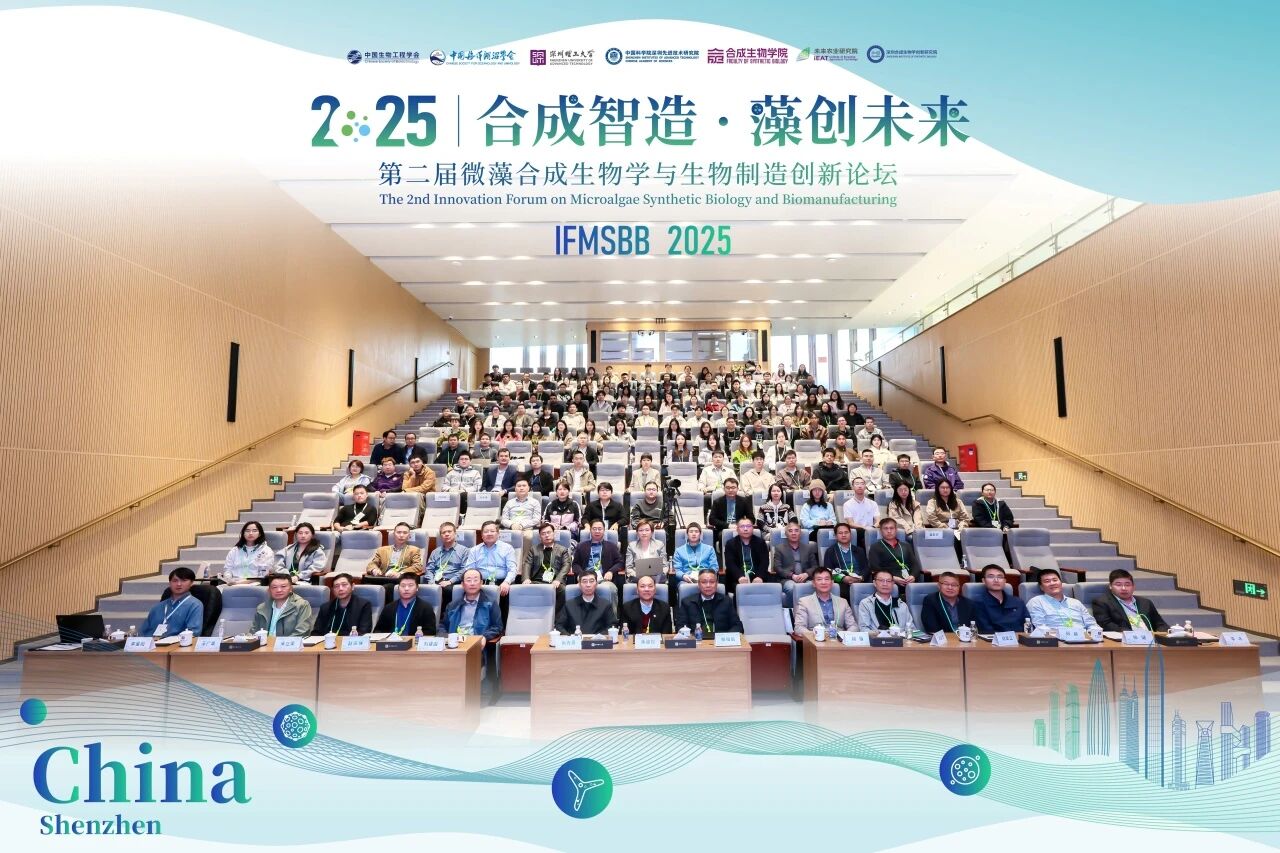
Held at a pivotal time as the global "CarbonPeaking and Carbon Neutrality" strategy converges with the rapid growth of the bio-manufacturing sector, the forum spotlighted microalgae. These organisms are fast becoming a crucial green bio-manufacturing platform, prized for their high photosynthetic efficiency, independence from arable land, and strong environmental resilience—attributes that underscore their vast industrial potential.
In his opening address,Zhu Dijian(Secretary of SUAT’S Party Committee)emphasized the university's strategic focus on frontier interdisciplinary areas like synthetic biology. He reiterated SUAT's commitment to building top-tier research platforms and fostering the integration of industry, academia, research, and application, expressing his hope that the forum would inject fresh momentum into technological innovation within the microalgae sector.
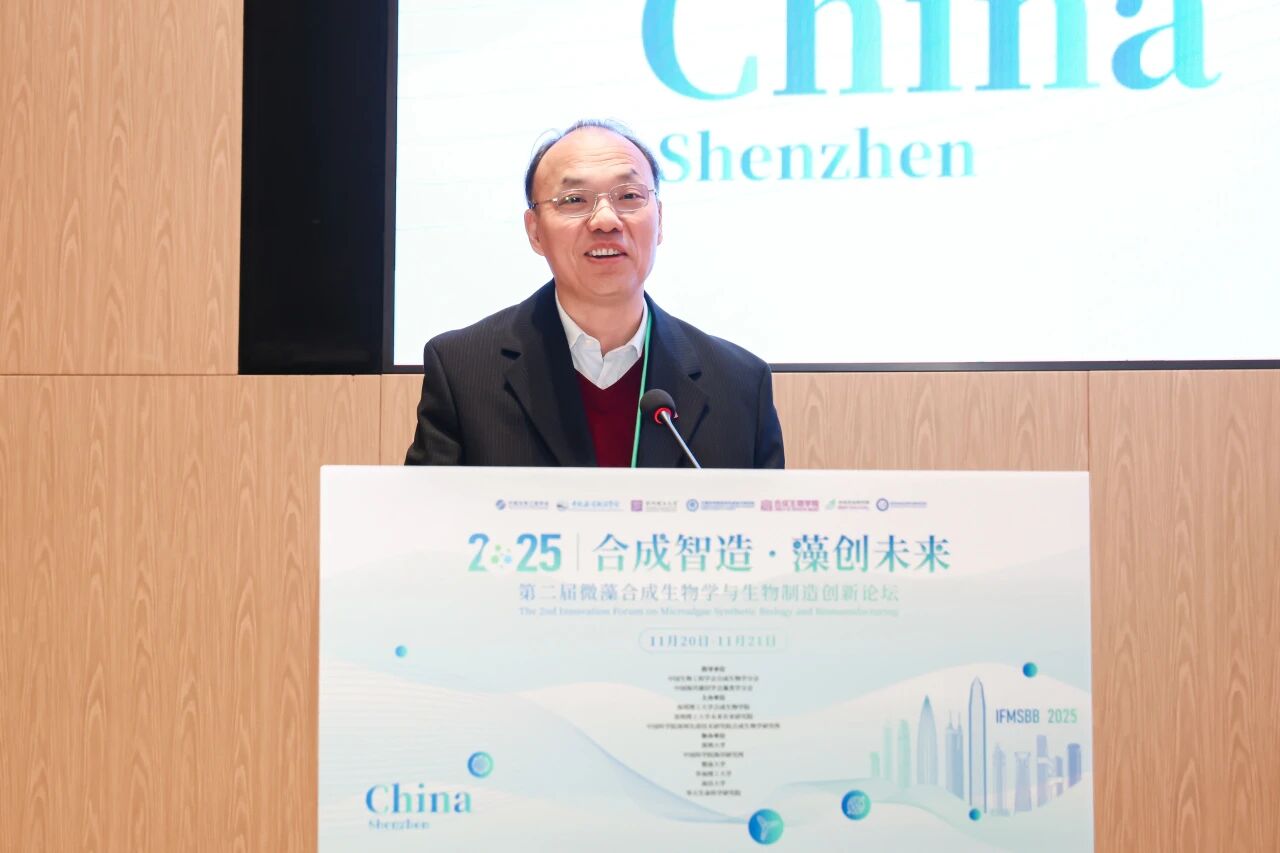
Zhang Xianen, Dean of SUAT’sFacultyof Synthetic Biology, highlighted the dual significance of microalgae. He described them as both pioneer organisms essential for ecological balance and pivotal players in carbon sequestration to mitigate global warming. With their relatively mature genetic manipulation systems, he noted, microalgae have also become indispensable model organisms in synthetic biology and bio-manufacturing.
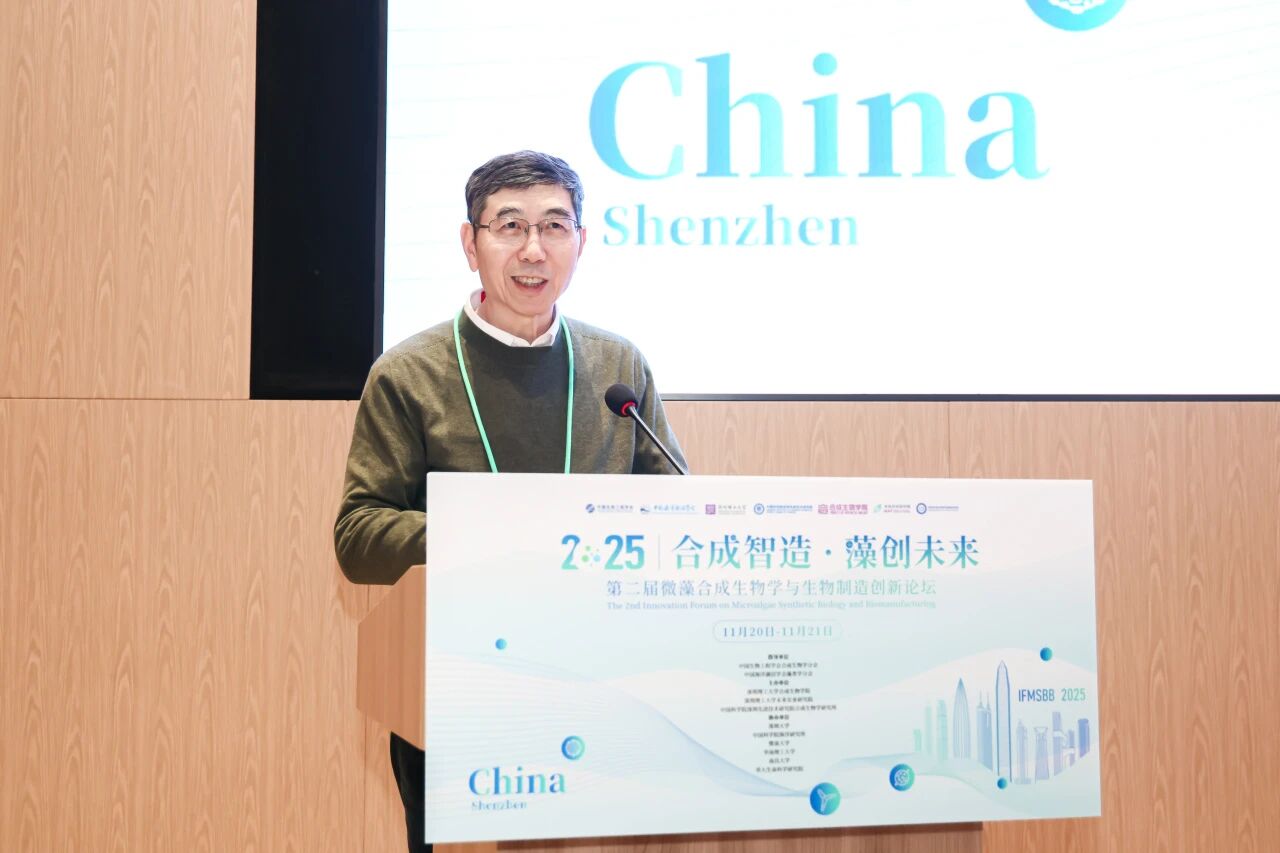
Liu Jianguo, Chairman of the Phycology Branch of the Chinese Society of Oceanology and Limnology, remarked that hosting this dialogue on microalgal synthetic biology in Shenzhen—a city synonymous with innovation—was highly fitting. He characterized microalgae as a “treasure trove” green bio-factory involved in global material cycles and expressed his expectation that the forum would generate algal-based wisdom to address shared global challenges.
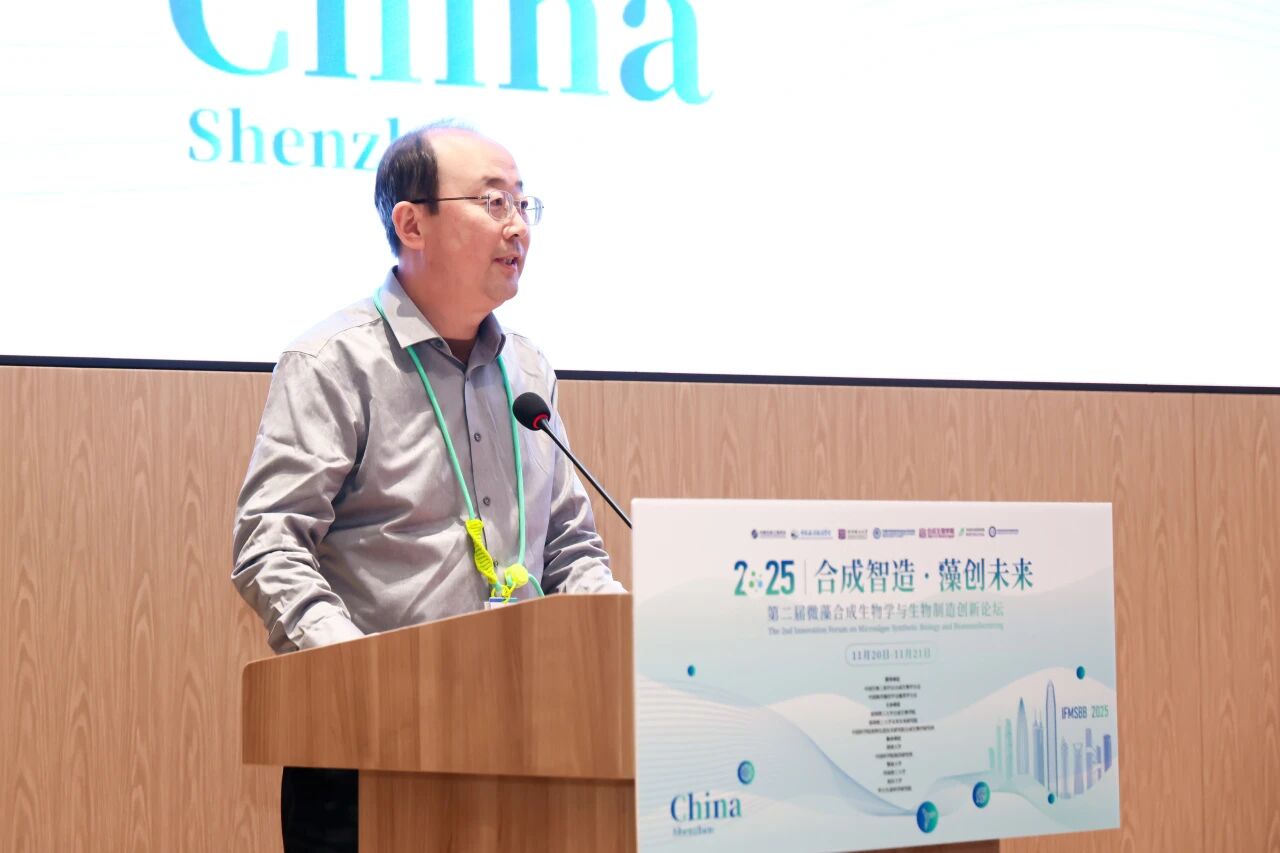
Hu Qiang, Chair Professor at SUAT’sFacultyof Synthetic Biology, stated that algae serve as efficient cell factories for producing both bulk raw materials and high-value-added products. He explained that the purpose of this annual forum is to establish an open platform for collaboration, driving the development of the entire algal technology ecosystem from R&D to application. This, he concluded, is fundamental for microalgal bio-manufacturing to make tangible contributions to China's bio-intelligent manufacturing economy and public health.
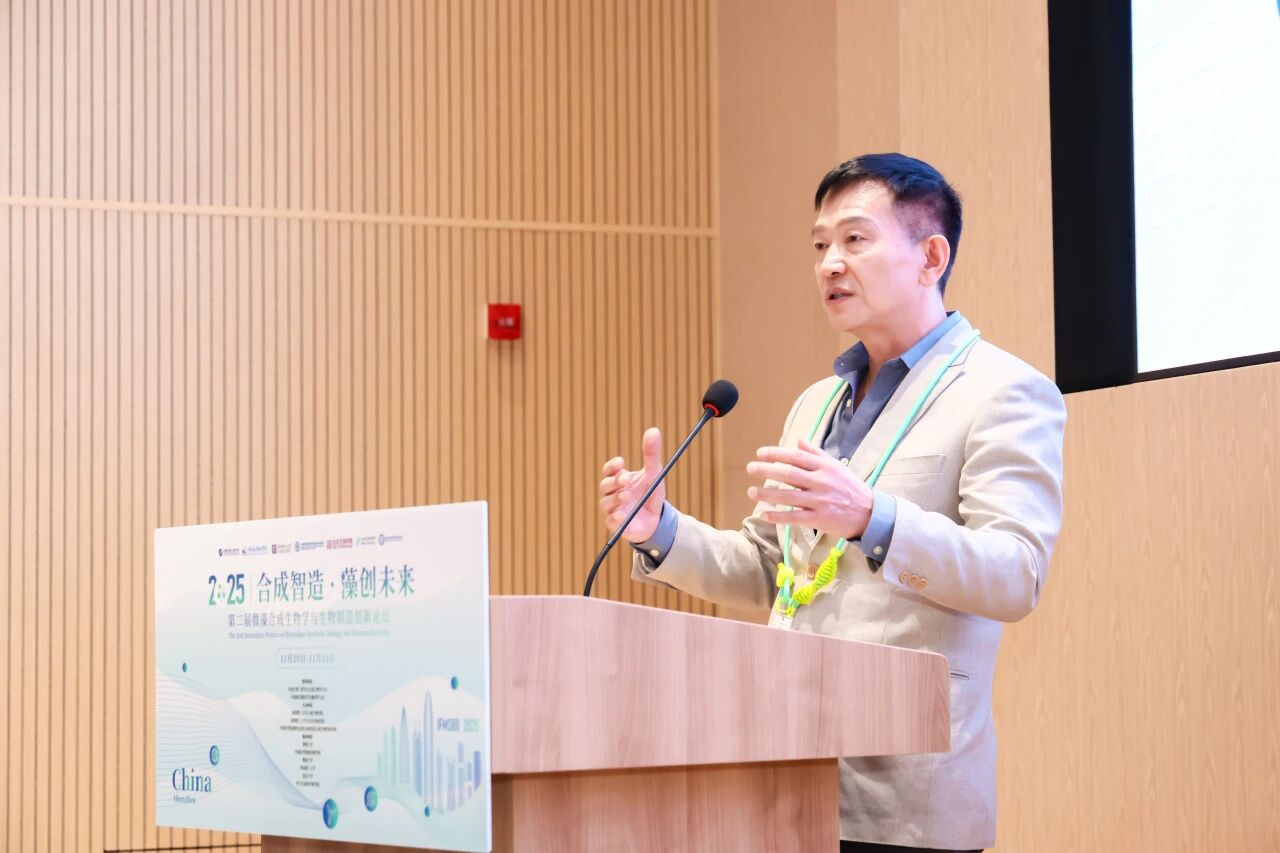
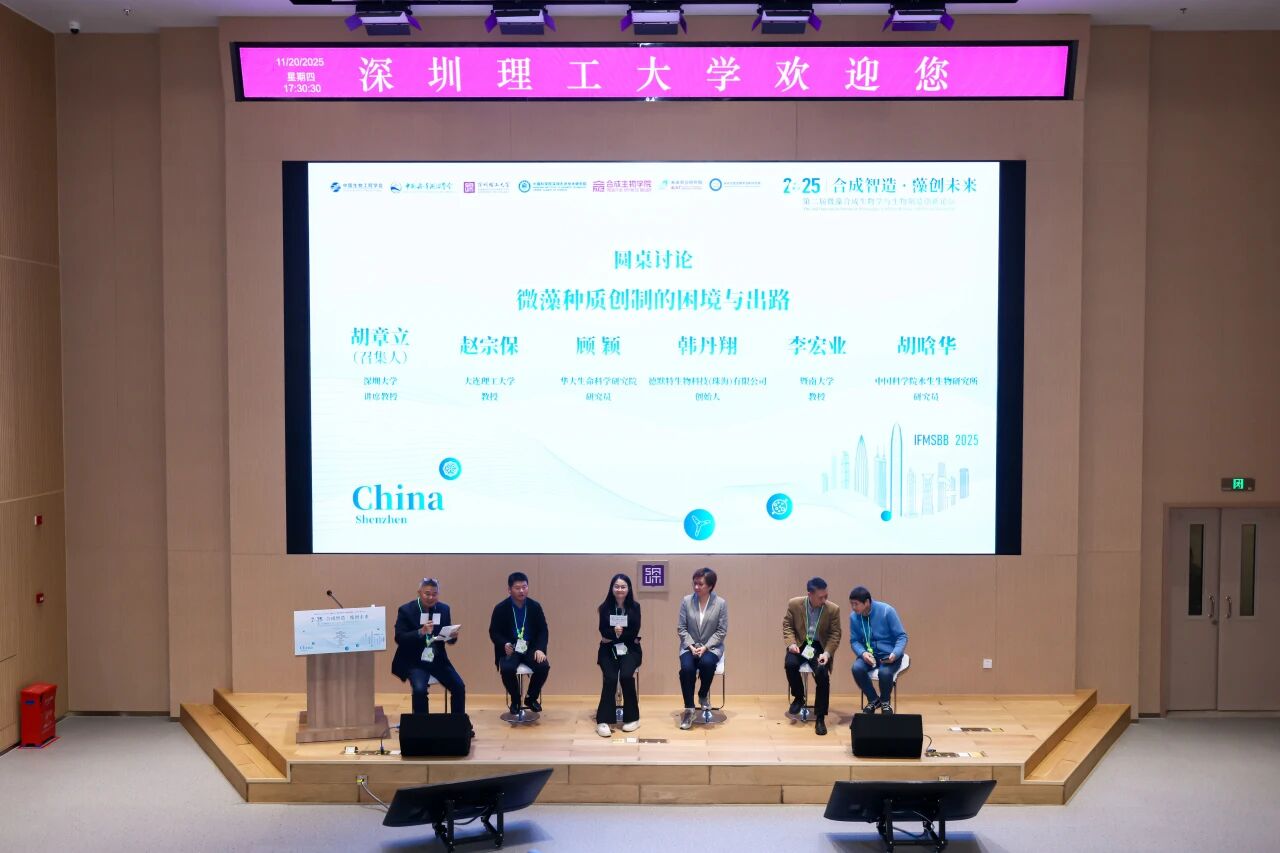
The forum's agenda encompassed full-chain innovation topics in microalgal bio-manufacturing. Discussions ranged from upstream challenges like genome editing and optimizing light-driven carbon fixation systems to downstream processes such as biomass harvesting and large-scale manufacturing of high-value products. Round table sessions delved into three critical themes: the dilemmas and solutions inmicroalgal germplasm innovation, the role of scientists at the industry frontier, and the opportunities and challenges in building a robust bio-manufacturing and application ecosystem. Experts shared breakthroughs and practical insights to explore future cooperation.
The forum also featured a highly successful Graduate Student Poster Exhibition, which showcased the promising research potential and innovative spirit of the next generation of scholars.
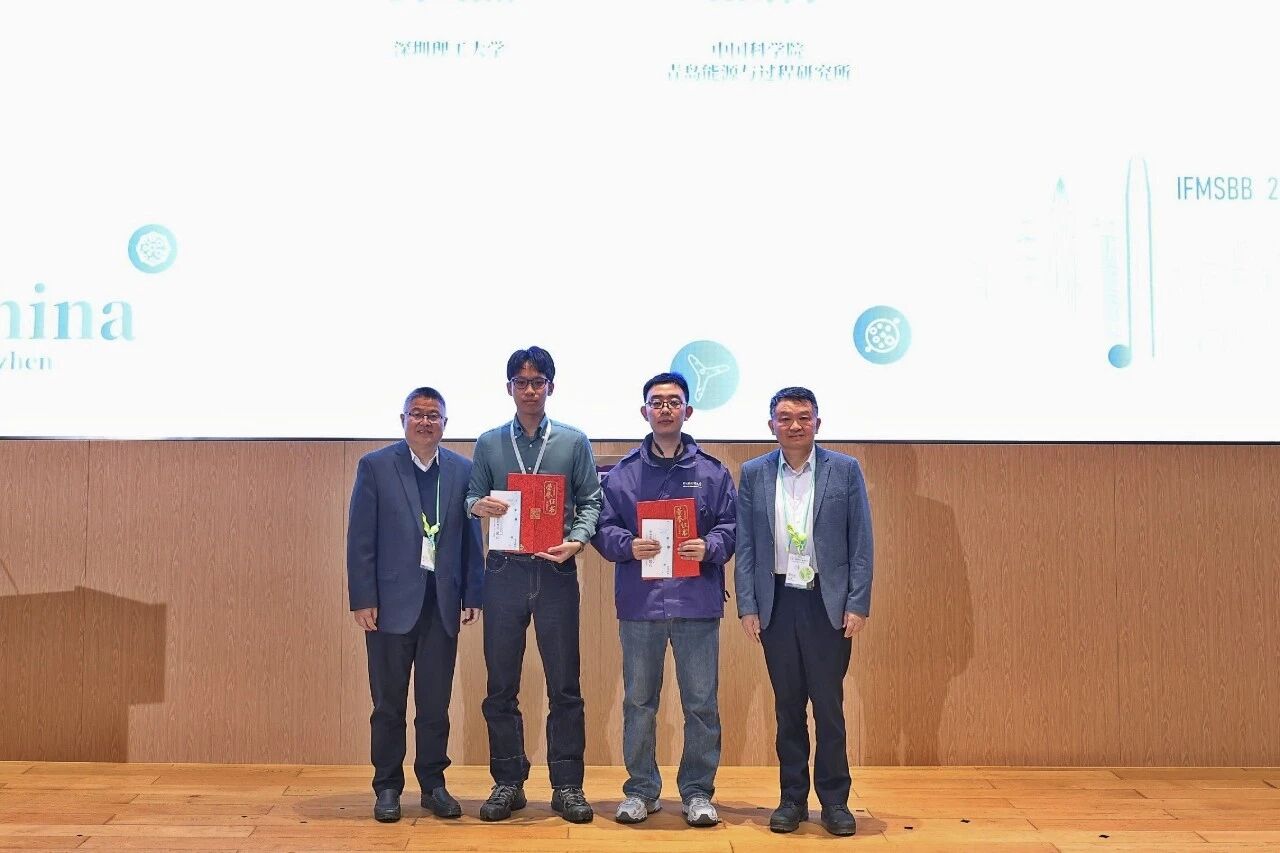
In summary, the forum effectively presented cutting-edge advancements in microalgal synthetic biology, fostered high-level dialogue among industry, academia, and research communities, and provided a valuable platform for young scholars. Moving forward, SUAT pledges to continue pooling global wisdom, accelerating the translation of scientific and technological achievements intonew quality productive forces, and nurturing a continuous pipeline of talent for the sustainable development of this vital field.
Source:School of Synthetic Biology, SUT
Editor:Wang Lu
Reviewers:Zhang Ying, Wei Guanyu, Wang Zhikang




 News
News